20 de junio, 2025
Despertar este día como si fuera el último
Waking up this day as if it were my last
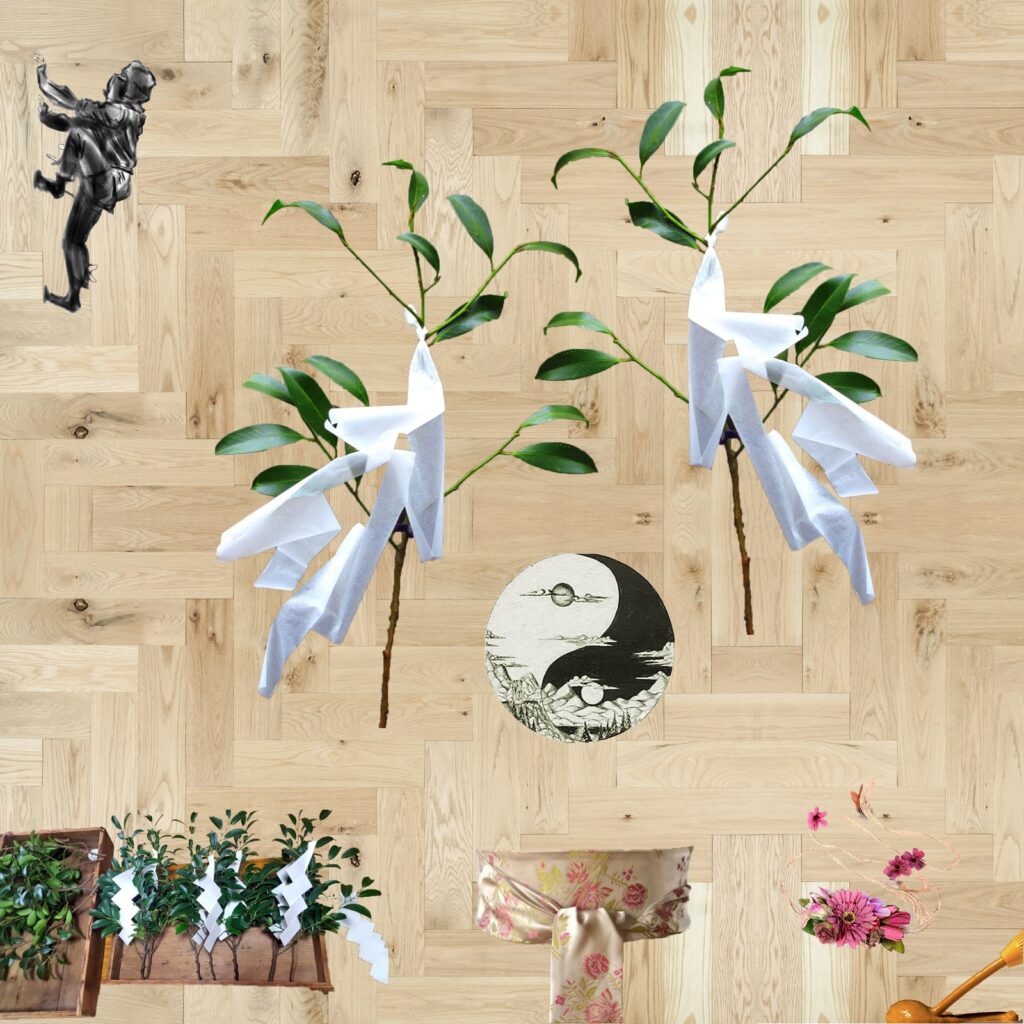
En mi sueño llego tarde a una capacitación de doulas de fin de vida. Mi colega está agotada y exhausta, y se está quedando dormida en el podio. Estoy ahí para tomar su lugar y enseñar. La toco en el hombro y no despierta. Willy, quien murió hace dos años en mayo, observa la escena desde arriba y hace una mueca de desaprobación. La persona que me llevó hasta ahí no está dispuesta a esperarme para regresarme. Esto me inquieta. Hay varias personas ahí que no aprueban la situación, mientras que la mayoría está a la expectativa de lo que sucederá después. Willy entonces se ríe, y da a entender que es mejor no quedarnos atrapados en las pequeñeces de la experiencia humana. No hay errores, y todo es una oportunidad de aprendizaje.
Esta consciencia del observador objetivo de este sueño que llamamos vida ha surgido varias veces en las últimas semanas: la yo que vive la experiencia humana, y la yo que observa a esa yo viviendo la experiencia. Algo que la consciencia de la muerte, y el trabajo con los sueños, facilita es esta capacidad de conectar con esa parte del “yo” que es más grande que el “yo” que tiene la experiencia humana.
Desde 2014 asumo cada año la práctica de Un Año para Vivir, guiada por el libro del mismo nombre, de Stephen Levine. El libro nos invita a contemplar la vida desde la perspectiva de tener un año de vida por delante, inspirado en las exploraciones que suelen surgir cuando las personas se acercan al final de la vida. Durante el cuarto mes de este estudio de un año, comenzamos la práctica de despertar como si hoy fuera nuestro último día en la tierra.
La práctica de despertar como si hoy fuera mi último día amplifica la consciencia de esa observación de la pequeña yo, y sus luchas humanas. Cada día que hago esa práctica, obtengo más claridad —o más bien, el lente se aclara más—, de modo que puedo estar más consciente de las dos perspectivas: la yo que vive una experiencia, y la yo que observa la experiencia. Con el tiempo, a través de esta práctica soy capaz de discernir y elegir mi respuesta a las experiencias con más facilidad. Mientras la pequeña yo lucha con las circunstancias y se preocupa por los resultados, la yo observadora aprecia lo humano desde una perspectiva de crecimiento y evolución. Los resultados son secundarios frente a lo que soy capaz de extraer de la experiencia.
Con frecuencia, la pequeña yo está apegada a la comodidad, a lo familiar, a las sensaciones de seguridad y pertenencia que suele provocar la ilusión de ya saber. Sin embargo, el crecimiento solo puede darse en lo que aún no conozco, en atreverme a exponerme a lo desconocido, en estar dispuesta a sentir incomodidad.
Y este sueño que llamamos vida inevitablemente nos lleva a lo que aún no conocemos, ya sea en nosotros mismos o a través de lo que nos rodea, para que podamos aprender algo nuevo.
Esto requiere que mis expectativas se vean sacudidas, que algo en mí o en mi entorno cambie de forma inesperada. Esto es lo que me empuja más allá de mi zona de confort y hacia mis bordes de crecimiento.
La resistencia a estos cambios, el apego a la expectativa o a lo familiar, y cualquier reacción a estos cambios en general, proviene de la pequeña yo, la experiencia humana, las historias, las expectativas, los conceptos e ideas que he heredado, que me han dado o que se me han transmitido a lo largo de esta experiencia de vida.
A través de la práctica de vivir este día como si fuera el último, mi primera pregunta hacia mí misma se convierte en: ¿de dónde viene esta resistencia? La práctica me invita a explorar más profundamente: ¿qué está intentando hacer por mí? ¿de qué está tratando de protegerme? ¿qué sentimientos y creencias está activando?
Las respuestas a estas preguntas piden ser traídas a la luz, a la consciencia. Una vez que las cosas están en la consciencia, se conocen, y, al identificarlas, es más fácil soltarlas. Cuando no las conozco, pueden abrumarme, y ese agobio alimenta la resistencia. Resistir es no dejar morir, o cambiar, lo que ya está pidiendo morir, o cambiar, lo que está en proceso de morir, o cambiar, o lo que ya murió, o cambió de forma irrevocable.
Porque estoy practicando vivir este día como si fuera el último, debo preguntarme: ¿qué implica esta muerte que alguna parte condicionada de mí está resistiendo? ¿qué me pide o qué requiere de mí? También me ayuda reconocer la sensación de resistencia, su presencia y su persistencia, como una invitación a colaborar con el cambio, la transformación o la muerte, en lugar de vivirla como un abandono de lo familiar y lo conocido, de cómo eran las cosas, que me deja sin rumbo y obligada a ir hacia donde pensé que no estaba dispuesta a ir.
Al vivir este día como si fuera el último, mi intención es permanecer receptiva, abierta, entregada, dispuesta a transitar territorios inexplorados, dispuesta a descubrir lo que me queda por atender, por reconocer, por lo cual crecer.
Estamos condicionados a asumir que todo debe permanecer igual, que nosotros debemos permanecer igual, que nuestras relaciones deben permanecer igual, y que lo que debemos hacer es controlar y manipular todo para que las cosas, las personas, y nosotros mismos seamos exactamente lo que esperamos que sean, lo que se nos dijo que debían ser, para que entonces, después de todo este arduo trabajo (cambiar lo que es, desde la resistencia hacia ello), podamos ser “felices”, para poder relajarnos y disfrutar el recorrido de este sueño que llamamos vida. Y, en cambio, terminamos exhaustos e insatisfechos, asumiendo que algo debe estar mal con nosotros, con ellos, o con la vida misma.
Esto es, pienso, el significado del sufrimiento: todas las adversidades que enfrentas en la vida, todas las pruebas y tribulaciones, todas las pesadillas y todas las pérdidas, la mayoría de las personas las sigue viendo como maldiciones, como castigos… como algo negativo. ¡Si tan solo supieras que nada de lo que te llega es negativo! Todas las pruebas, tribulaciones y las pérdidas más grandes que jamás experimentes son regalos para ti. Cada adversidad es una oportunidad que se te da, una oportunidad de crecer. Crecer es el único propósito de la existencia en este planeta Tierra. No crecerás si te sientas en un hermoso jardín de flores y alguien te trae comida exquisita en una bandeja de plata. Pero sí crecerás si estás enfermo, si tienes dolor, si vives pérdidas y aun así no escondes la cabeza, sino que tomas el dolor y aprendes a aceptarlo, no como una maldición o un castigo, sino como un regalo con un propósito muy, muy específico.
— Dra. Elisabeth Kübler-Ross, El túnel y la luz
No se nos anima, ni siquiera se nos da a entender, a reconocer que cada persona, cada situación y cada circunstancia llega para cumplir una función particular que impulsa nuestro crecimiento y evolución. Todo cumple su función durante el tiempo que sea necesario, y todo tiene una fecha de caducidad. Habrá un momento en que esa función se cumpla, se llegue a la fecha de caducidad, y las cosas necesiten cambiar para que nosotros (y ellas) podamos crecer y evolucionar. Cuando miramos de cerca, cada persona y circunstancia a lo largo de nuestra vida ha cumplido su función, y con frecuencia, porque se nos ha llevado a asumir que las cosas son así y no de otra manera, insistimos en sostener lo que ya no tiene función, porque se nos ha condicionado a aferrarnos a alguien o a algo, porque, de lo contrario, parecería implicar que hemos fracasado.
Lo importante, lo más esencial, es que con cada “fracaso” todo se vuelve más claro: cuáles son nuestras necesidades y deseos, y cómo cobran sentido para nosotros, todo lo cual es esencial para nutrir en quién nos estamos convirtiendo. Porque no somos fijos ni estáticos, porque para crecer y evolucionar debemos cambiar y transformarnos; porque este sueño que llamamos vida es un proceso constante de convertirnos.
Se nos ha condicionado a asumir que nuestro “trabajo” y nuestro esfuerzo más ferviente deben consistir en identificar y definir nuestros deseos y necesidades, para luego aprender las formas “correctas” de expresarlos y pedirle al mundo externo que los satisfaga por nosotros, y a indignarnos cuando el mundo no entiende, o ni siquiera le interesa, lo que tenemos que decir o lo que exigimos para enderezar las cosas, para hacerlas bien.
Si bien es esencial llegar a conocer nuestras necesidades y deseos, también es esencial saber que estamos aquí para asegurarnos de que esas necesidades se satisfagan a pesar del mundo externo. Hay maneras de compartir nuestro recorrido de deseos y necesidades en espacios y con personas seguras, receptivas y recíprocas, y el espacio más seguro, más receptivo y más recíproco, que requiere nuestro cuidado y atención constantes, sin importar las circunstancias externas, está dentro de nosotros.
Esto me lleva a pensar en qué es lo que nos llevamos cuando morimos. No es más que el aprendizaje y el crecimiento, y las experiencias que nos trajeron hasta ahí. Es, como dijo la Dra. Elisabeth Kübler-Ross, las oportunidades internas y externas de amar y ser amados que tomamos, y las que dejamos pasar.
Entonces, ¿podemos amar la parte que se resiste, la parte que sabe lo que quiere y necesita, la parte que siente la necesidad de expresar las cosas, de exigir las cosas, la parte que llora los cambios? ¿Podemos amar a los agentes internos y externos que inspiran el crecimiento, a pesar de la incomodidad? ¿Podemos amar la incomodidad, que indica que el crecimiento está ocurriendo?
In my dream, I am arriving late at an end-of-life doula training. My colleague is overworked and exhausted, and she is falling asleep at the podium. I am there to step in to teach. I tap her on her shoulder and she does not wake up. Willy, who died in May two years ago, is observing the scene from above, and makes a disapproving face. The person who gave me a ride there is not willing to wait for me to drive me back. This is making me uneasy. There are several people there who are not approving of the situation, while most people are expectant of whatever happens next. Willy then laughs, and implies that we better not get caught up in the small stuff of the human experience. There are no mistakes, and everything is a learning opportunity.
This awareness of the objective observer of this dream we call life has come up a number of times in the past several weeks: the me who is living through the human experience, and the me who is observing me living through the experience. Something that the awareness of death, and dreamwork, facilitates is this capacity to connect with that part of “me” that is greater than the “me” having the human experience.
Since 2014 I have yearly taken on the practice of A Year to Live, guided by the book with the same name, by Stephen Levine. The book invites us to contemplate life from the lens of having one year left to live, inspired by the explorations that tend to come as people near the end of life. During the fourth month of the year-long study, we begin the practice of waking up as if today were our last day on earth.
The practice of waking up as if today is my last day augments the awareness of that noting of the little me, and her human struggles. Every day that I do that practice, I get more clarity, or the lens clears more, I should say, so that I can be more aware of the two perspectives: the me who is living through an experience, and the me who is observing the experience. Eventually, through this practice I am able to discern and choose my response to experiences with more ease. While the little me struggles through circumstances and worries about outcomes, the observer me appreciates the humanness from a perspective of growth and evolution. Outcomes are secondary to what I am able to take away from the experience.
Utuado, PR
Often times, the little me is attached to comfort, to what is familiar, to the sensations of safety and belonging that the illusion of already knowing tend to elicit. Yet growth can only happen in what I do not already know, in daring to expose myself to the unfamiliar, in being willing to be uncomfortable.
—And this dream we call life inevitably takes us to what we do not already know, whether in ourselves or through what surrounds us, so we may learn something new.
This requires that my expectations be thrown off, that something in me or in my environment shifts unexpectedly. This is what pushes me beyond my confort zone and into my growing edges.
Resistance to the shifts, attachment to expectation, or to what is familiar, and any reaction to these shifts in general, comes from the little me, the human experience, the stories, the expectations, the concepts and ideas I have inherited, been given or handed down throughout this life experience.
Through the practice of living this day as if it were my last, my first question to myself becomes, where is the resistance coming from? The practice invites me to explore more deeply: what is it attempting to do for me? what is it trying to protect me from? what feelings and beliefs is it activating?
The answers to these questions are asking to be brought to light, into conscious awareness. Once things are in conscious awareness, they are known, and, as they are identified, they are easier to let go of. When I do not know them, they can overwhelm me, and that overwhelm feeds the resistance. Resistance is not letting die, or shift, what is already asking to die, or shift, what is in the process of dying, or shifting, or what has already died, or irrevocably changed.
Because I am practicing living this day as if it were my last, I must ask: what does this dying imply that some conditioned part of me is resisting? What does it ask of me or require of me? It helps me also to recognize the sense of resistance, its presence and persistence, as an invitation to collaborate with the shift or change or death, rather than as an abandonment from the familiar and the known, from how things were, that leaves me aimless and forced to go where I thought I was unwilling to go.
Centro Ceremonial Indigena Caguana, Utuado, PR
Living this day as if it were my last, it is my intention to remain receptive, open, surrendered, willing to tread uncharted territories, willing to discover what is left for me to tend to, become aware of, grow from.
We are conditioned to assume that everything is meant to stay the same, that we should stay the same, that our relationships should stay the same, and that what we must do is control and manipulate everything so that things, people, and we ourselves are exactly what we expect them to be, what we were told they should be, so we can then, after all this hard work—to change what is, from resistance to it—be “happy,” so we can relax and enjoy the ride of this dream we call life. And instead, we find ourselves exhausted and dissatisfied, and assuming something must be wrong with us, or them, or life itself.
This is, I think, the meaning of suffering: all the hardships that you face in life, all the tests and tribulations, all the nightmares and all the losses, are still viewed as curses by most people, as punishments . . . as something negative. If you would only know that nothing that comes to you is negative! All the trials and tribulations and the biggest losses that you ever experience, are gifts to you. Every hardship is an opportunity that you are given, an opportunity to grow. To grow is the sole purpse of existence on this planet Earth. You will not grow if you sit in a beautiful flower garden and somebody brings you gorgeous food on a silver platter. But you will grow if you are sick, if you are in pain, if you experience losses and still don’t put your head in the sand, but take the pain and learn to accept it, not as a curse of a punishment, but as a gift to you with a very, very specific purpose.
— Dr. Elisabeth Kübler Ross, The Tunel and the Light
We are not encouraged, or even clued in, to realize everything and everyone and every circumstance comes to meet a particular function to encourage our growth and evolution. Everything serves its function for as long as it is required, and everything has an expiration date. There will be a moment when that function is fulfilled, the expiration date has been met, and things need to change in order for us (and them) to grow and evolve. When we look closely, each person and circumstance throughout our life has served their function, and often, because we have been led to assume it to be this way and no other, we insist on sustaining what no longer has a function, because we have been conditioned to hold on to someone or something, because, otherwise, it would seem to imply that we have failed.
The important, most essential, thing is that with each “failure” it all becomes more clear: what our needs and wants are, and how they make sense to us, all of which is essential to nurture who we are becoming. Because we are not fixed or static, because in order to grow and evolve, we must shift and change; because this dream we call life is a constant process of becoming.
Utuado, PR
We have been conditioned to assume that our “work” and most ardent effort must be to identify and define our wants and needs, to then learn the “right” ways of articulating and asking the external world to meet them for us, and to become indignant when the world does not understand or is even interested in what we have to say or what we demand in order to set things straight, to make things right.
While it is essential that we get to know our needs and wants, it is also essential to know that we are here to make sure those needs are met despite the external world. There are ways to share our journey of wants and needs in safe, receptive, reciprocal spaces and people, and the safest, most receptive and reciprocal space, which requires our constant tending and care, regardless of external circumstances, is inside us.
This leads me to think about what it is that we take with us when we die. It is nothing more than the learning and growth, and the experiences that brought us there. It is, as Dr. Elisabeth Kübler-Ross said, the internal and external opportunities to love and be loved that we took and the ones we missed.
So, can we love the part that is resistant, the part that knows what it wants and needs, the part that feels the need to state things, to demand things, the part that grieves the shifts? Can we love the internal and external agents that inspire the growth, despite discomfort? Can we love the discomfort, which indicates that growth is happening?
Otros artículos
Sigue recorriendo