19 de abril, 2020
Disolviendo las ilusiones de diferencia y separación
Dissolving Illusions of Difference & Separation
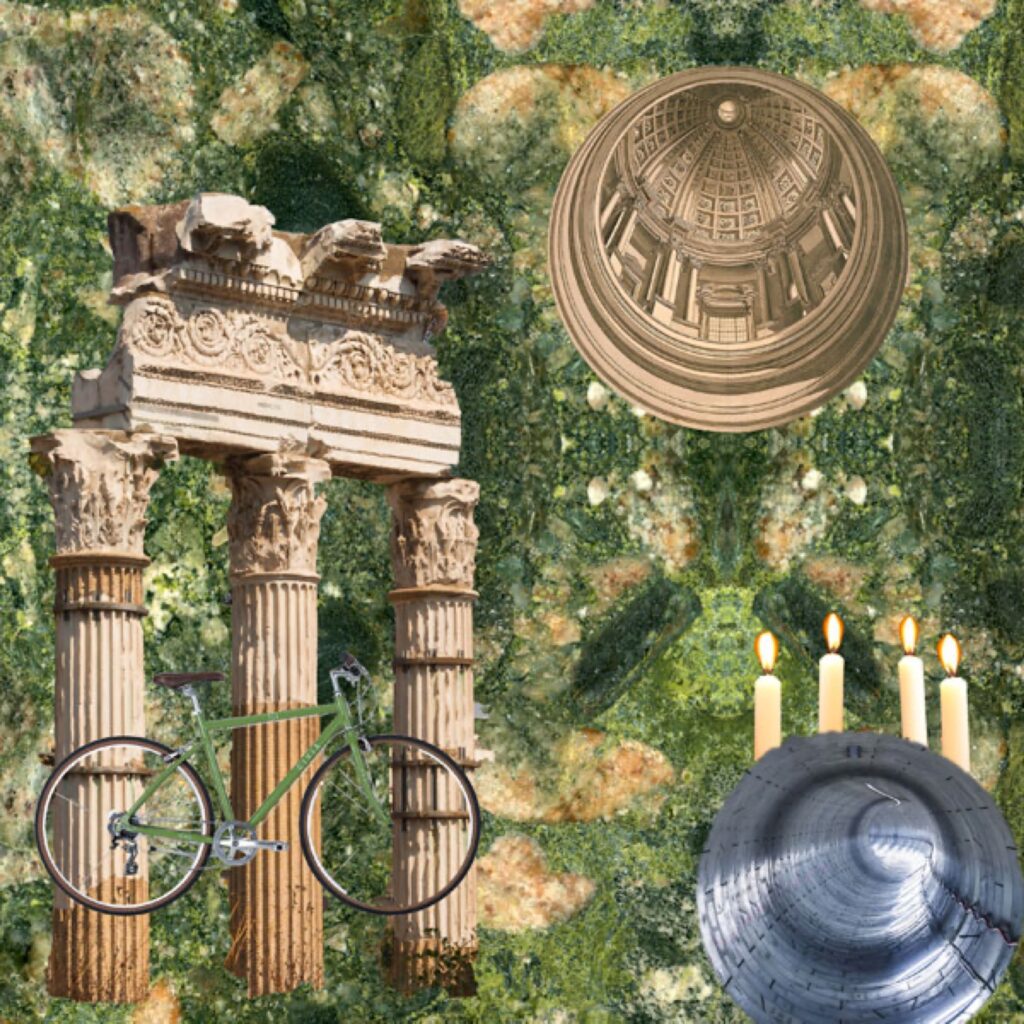
¿Alguien más se ha topado con posible evidencia de que el universo posee una infraestructura metafísica finita, detectada ocasionalmente por el subconsciente?
— Caity Weaver, The New York Times
Cada vez parece más que la línea entre los sueños y la vida despierta se difumina. La cualidad surrealista de nuestra experiencia colectiva actual de vigilia hace que se sienta como si estuviéramos viviendo un sueño, o quizás despertando hacia el sueño que es esta realidad colectiva que ahora compartimos más activamente gracias a la pandemia.
Hay una cualidad provocadora en esta experiencia compartida globalmente que, si bien nos mantiene físicamente distantes, también nos incita a conectar de maneras intangibles pero innegables.
Un número considerable de nosotros está despertando, consciente o inconscientemente, a esta experiencia común. De manera activa o pasiva, inevitablemente nos enteramos de las últimas noticias sobre la propagación del virus y sus efectos, conectando consciente o inconscientemente con una experiencia colectiva más accesible que disipa la ilusión de que somos únicamente individuos discretos y separados.
Despertamos para enterarnos de la última cifra de muertes por el virus, conectando consciente o inconscientemente con una experiencia colectiva más tangible que nos recuerda que somos más iguales que diferentes, que todos somos personas que vamos a morir.
Todos vamos a morir, y en general tendemos a creer que solo moriríamos si nos “exponemos a riesgos”. Tendemos a olvidar que podríamos morir en cualquier momento, en casa, mientras dormimos, comemos, nos bañamos, lo que sea. Cuando nos llegue la hora de morir, vamos a morir. Estamos “en riesgo” de morir simplemente porque estamos vivos.
La pandemia no está ocurriendo solo allá afuera, a alguien más allá afuera; está llegando a nuestros países, a nuestras ciudades, a nuestros pueblos, a nuestros vecinos, a nuestros seres queridos, justo hasta nosotros. La pandemia está trayendo la muerte a casa. En un momento de distanciamiento social, sentimos la muerte al alcance de la mano. La experiencia conjunta actual nos pone cada vez más en contacto con este hecho: la muerte me va a suceder a mí.
Quizás estamos comenzando a reconocer profundamente que la muerte camina siempre de la mano con nosotros, y que la pérdida nos ofrece una práctica de morir fundamental para estar vivos.
Considerar y contemplar la muerte en todas sus formas (cambio, pérdida, desconexión, distancia, aislamiento, transición, inconsistencia, inseguridad, incertidumbre, lo poco familiar, lo desconocido) y volvernos más cómodos y a gusto con lo que evoca en nosotros, es el antídoto a nuestra resistencia y negación instintivas ante ella, y es una práctica poderosamente transformadora que enriquece enormemente nuestra vida.
Colectivamente, en este momento inquietante, nuestros sueños intentan facilitar justamente eso. Ya no podemos apartar la mirada; la ansiedad generalizada provocada por la pandemia se está infiltrando y manifestando en nuestro tiempo de sueño.
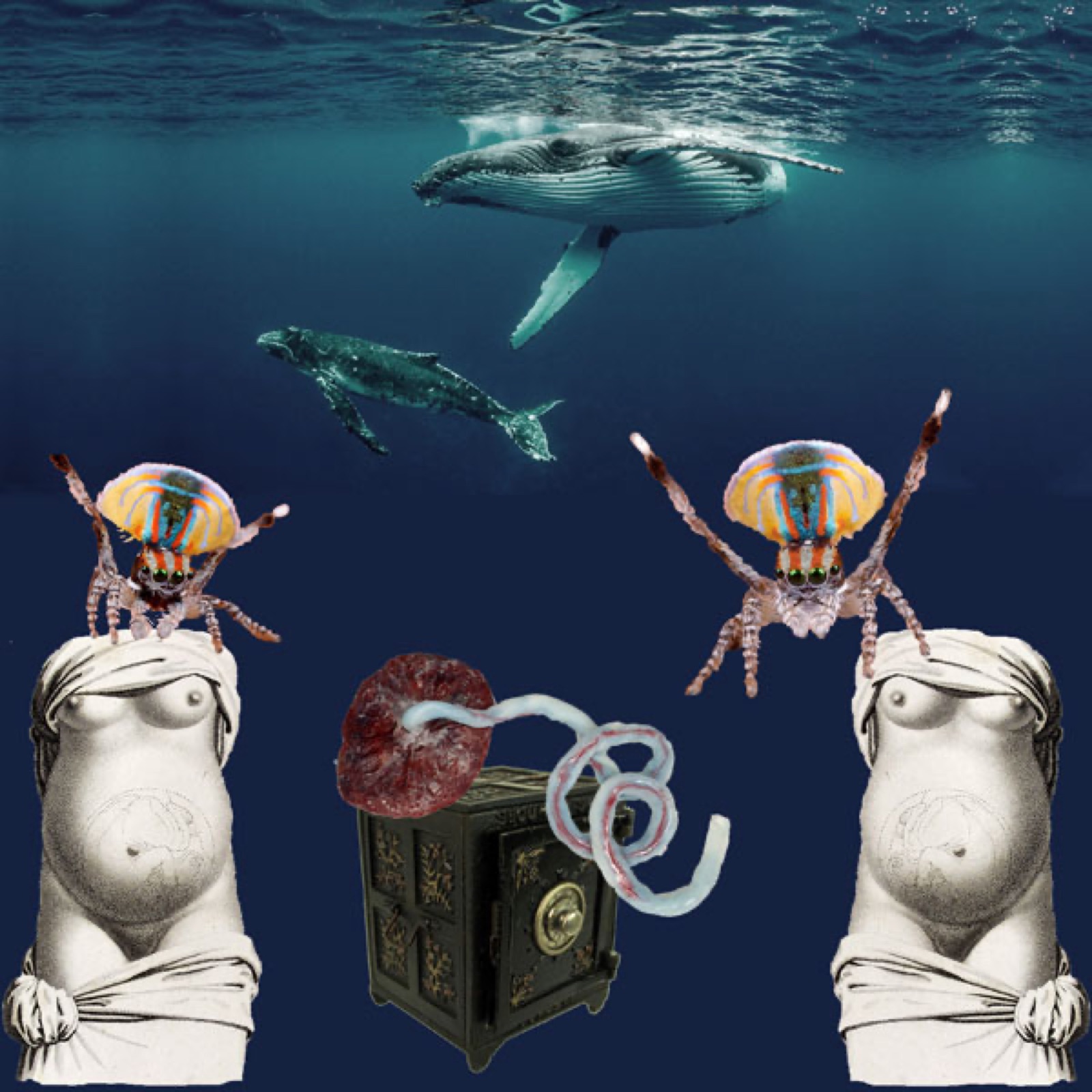
[quienes sueñan] sustituyeron el miedo al virus por un elemento metafórico, como insectos, zombis, desastres naturales, figuras sombrías, monstruos o tiradores masivos.
— Rebecca Renner, National Geographic
No olvidemos que los sueños vienen al servicio de nuestra salud y nuestra totalidad más amplias, y que los sueños no vienen a decirnos lo que ya sabemos.
Todo ser humano sueña. En cada ciclo de sueño de 90 minutos, soñamos. Simplemente no siempre lo recordamos. Durante la pandemia, un número considerable de nosotros está despertando recordando sueños y pesadillas con temas similares, que recuerdan la dura experiencia de nuestra vida despierta.
Despertamos de nuestros sueños y recordamos más, notamos más, prestamos más atención. Y nos sentimos más impulsados a compartir más nuestros sueños, a hablar más de ellos, a explorarlos y maravillarnos más con ellos.
Puede que no siempre durmamos profundamente y por eso despertemos más, lo cual nos hace recordar más. Puede que tengamos menos urgencia de levantarnos de la cama al sonar una alarma, y más tiempo y espacio mental para recordar nuestros sueños y habitar en su memoria. Puede que prefiramos recordar nuestros sueños dormidos en lugar de enfrentar la realidad actual.
Es la extrañeza de nuestros sueños lo que los hace memorables, para que les prestemos atención, para que podamos descubrir y traer a la consciencia algo que hasta entonces era desconocido.
Las pesadillas logran esto con mayor facilidad, asustándonos hasta despertarnos y dejando esa sensación imborrable persistiendo en nosotros durante horas o incluso días. Mientras que un sueño extraño nos invita suavemente a prestarle atención, una pesadilla nos sobresalta hacia una confrontación ineludible con algo que preferiríamos evitar.
¿Podría esto invertirse? ¿Podríamos estar despertando de nuestra pesadilla de vigilia hacia el sueño, con sensaciones persistentes e imborrables que se filtran hacia nuestros sueños?
Por más que quisiéramos evitar la incomodidad y la angustia que traen el cambio y la inseguridad, a las que la muerte en todas sus formas inevitablemente nos obliga a entrar, pareciera que la atmósfera insiste en que no lo hagamos.
Elementos muy particulares de nuestra vida despierta aparecen en nuestros sueños para representar las sensaciones que el inconsciente nos invita a explorar, para evocar los elementos más profundos, todavía desconocidos, que necesitamos reconocer y enfrentar para crecer y evolucionar.
Soñar con la pandemia, o con sustitutos que despiertan nuestra ansiedad generalizada ante lo desconocido, nos persuade a conocer, familiarizarnos y desarrollar mayor soltura con nuestros sentimientos y sensaciones más retadores. Nuestros sueños nos están impulsando colectivamente a transformar nuestra relación con nuestra vulnerabilidad, nuestra pérdida inminente e inevitable, y nuestro final último.
El Covid-19 nos ha arrastrado bruscamente a un sueño lúcido en el que estamos inscritos en un curso sobre Contemplar la Muerte al que nunca nos apuntamos.
— Dr. Ira Byock
En efecto, lo surrealista de la Gran Pausa difumina las líneas entre el sueño y los sueños de vigilia, y pone en foco nuestra condición humana, frágil y hermosa. Con la mayor parte de lo que solíamos hacer ahora considerado no esencial, pareciera que este es un momento perfecto para conocernos mejor y conectar con otros a través de nuestra vida onírica, nuestra psique, el inconsciente colectivo, y nuestro paisaje onírico colectivo.
“Has anyone else stumbled onto possible evidence that the universe possesses a finite metaphysical infrastructure occasionally detected by the subconscious?”
—Caity Weaver, The New York Times
More and more it seems the line between dreams and waking life is blurred. The surreal quality of our current, collective waking life experience makes it feel like we are living in a dream, or perhaps awakening into the dream that is this collective reality we are now more actively sharing thanks to the pandemic.
There is a provocative quality to this globally shared experience that, while keeping us physically distant, is also inciting us to connect in intangible yet undeniable ways.
A considerable number of us is waking up, consciously or unconsciously, to this common experience. We are actively or passively, inevitably finding out the latest news of the virus spread and its effects, consciously or unconsciously tapping into a more accessible collective experience that dissipates the illusion that we are solely discrete and separate.
We are waking up to find out the latest number of deaths from the virus, consciously or unconsciously tapping into a more tangible collective experience that reminds us that we are more equal than different, that we are all people who are going to die.
We are all going to die, and we tend to believe in general that only if we “expose ourselves to risks” might we die. We tend to forget that we could die at any moment, in our homes, while sleeping, eating, taking a shower, whatever. When it is our time to die, we are going to die. We are “at risk” of dying simply because we are alive.
The pandemic is not just happening out there, to someone else out there; it is coming to our countries, to our cities, to our towns, to our neighbors, to our loved ones, right to us. The pandemic is driving death home. At a time of social distancing, we sense death at our arm’s length. The current joint experience is putting us all the more in touch with this fact: death will happen to me.
Perhaps we are beginning to deeply recognize death walks hand-in-hand with us always, and loss offers us a practice of dying fundamental to being alive.
Considering and contemplating death in all its forms—change, loss, disconnection, distance, isolation, transition, inconsistency, insecurity, uncertainty, the unfamiliar, the unknown—and becoming more comfortable and at ease with what it evokes in us, is the antidote to our knee-jerk resistance to and denial of it, and is a powerfully transformative practice that greatly enriches our life.⠀
Collectively, at this disquieting time, our dreams are attempting to facilitate just that. We can no longer turn away; the generalized anxiety provoked by the pandemic is infiltrating and manifesting in our dreamtime.
Adapting to restrictions on our mobility and physical proximity to others, our capacity and possibility for presence and connection beyond those limits is noticeably expanding. Our pandemic dreams and related nightmare themes remind us that we are connected.
“[dreamers] replaced fear of the virus with a metaphoric element, such as bugs, zombies, natural disasters, shadowy figures, monsters, or mass shooters. . . . ‘Except for the [dreams of] health-care workers, we don’t see vivid visual imagery of people struggling to breathe on the ventilator. The virus is invisible, and . . . that’s why it’s transformed into so many different things.’”
— Rebecca Renner, National Geographic
Let us not forget that dreams come in the service of our greater health and wholeness, and dreams do not come to tell us what we already know.
Every human dreams. In every cycle of 90 minutes of sleep we dream. We just don’t always remember. During the pandemic, a considerable number of us is waking up to remembering dreams and nightmares with similar themes reminiscent of our waking life ordeal.
We are waking up from our dreams and we are remembering more, noticing more, paying more attention. And we are more impulsed to share our dreams more, to talk about them more, to explore them and marvel about them more.
We may not always be sleeping soundly and thus waking up more, which makes us remember more. We may have less urgency to get out of bed to an alarm and have more time and mental space to remember our dreams and dwell in the memory of them. We may prefer to remember our sleep dreams rather than face the current reality.
It is our dreams’ strangeness that makes them memorable, so that we might pay attention to them, so that we might discover and bring to conscious awareness something that was as of yet unknown.
Nightmares achieve this more readily by scaring us awake and leaving that unshakeable sensation lingering within us for hours or even days. While a strange dream nudges us for our attention, a nightmare startles us into an inescapable confrontation with something that we would rather avoid.
Could this be reversed? Could we be awakening from our waking nightmare into our sleep, with lingering, unshakeable sensations seeping through into our dreams?
As much as we wish we could avoid the discomfort and distress that change and insecurity bring, that death in all its forms inevitably forces us into, it would seem that the atmosphere insists we don’t.
Very particular elements from our waking life appear in our dreams to represent the sensations that the unconscious is inviting us to explore, to evoke the deeper, as of yet unknown elements that we need to recognize and face in order to grow and evolve.
Dreaming about the pandemic, or substitutes that elicit our generalized anxiety about the unknown persuades us to get to know, become familiar and develop greater ease with our challenging feelings and sensations. Our dreams are collectively prompting us to transform our relationship to our vulnerability, inevitable impending loss, and ultimate end.
“Covid-19 has rudely pulled us into a lucid dream in which we’re enrolled in a course on Contemplating Death we never signed up for. . . Daunting as the situation is, for those willing to do the work, the lessons may be both enlightening and immediately applicable. . . Facing one’s deepest fears can bring new freedom. Unwanted as it is, this crisis provides an opportunity to take stock and reinvest in what matters most.”
— Dr. Ira Byock
Indeed the surreality of the Great Pause blurs the lines between sleep and waking dreams, and brings into focus our frail and beautiful human condition. With most of what we were used to now deemed unessential, it would seem like this is a perfect time to get more acquainted with and connect with others through our dream life, our psyche, the collective unconscious, and our collective dreamscape.⠀
LEARN TO ENGAGE DREAMMAKER, dialogue with your unconscious, and channel dream wisdom into your creative and everyday life.
CREATIVE DREAMWORK ONLINE TRAINING* begins with the new moon on Wednesday, April 22nd. SIGN UP NOW TO EXPERIENCE THE BENEFITS OF WORKING WITH DREAMS! *SCHOLARSHIPS AVAILABLE
In this 8-week online course you will gain:- Tools to connect with the unconscious and enlist the psyche into conscious, creative life.
- Clearer and more direct dreams, easier to speak to and receive messages from.
- A deeper connection to your own intuition and guidance.
- Amplified creativity and an increased ability to tap into personal and collective insights and breakthroughs.
- A richer, more vibrant experience and understanding of life, with greater meaning and purpose.
- A more clearly unequivocal sense of life direction.
The Creative Dreamwork Online Training begins
Wednesday, April 22nd, 2020
Register NowOtros artículos
Sigue recorriendo