9 de diciembre, 2021
Encontrando el equilibrio: el llamado a la aventura
Finding Balance: The Call to Adventure
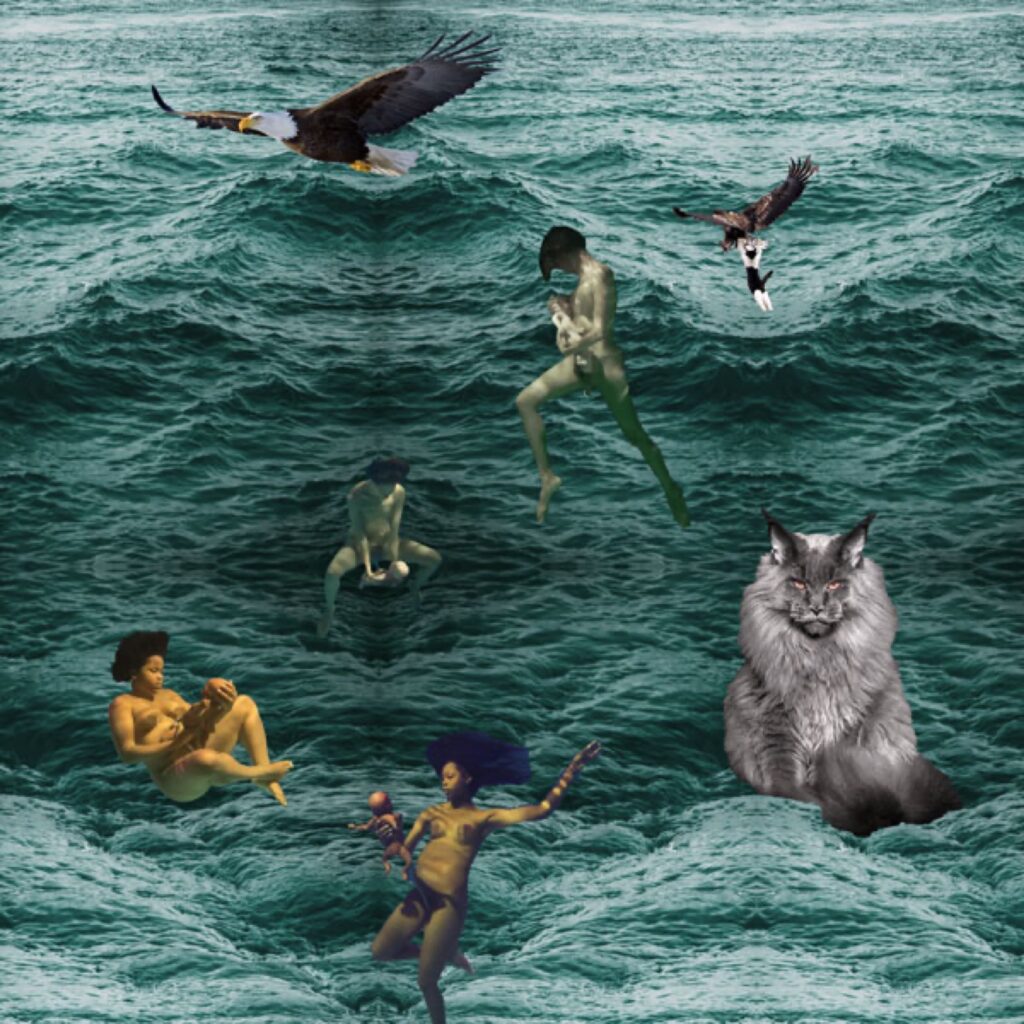
Ni siquiera tenemos que arriesgarnos a la aventura solos, pues los héroes de todos los tiempos nos han precedido. El laberinto es completamente conocido. Solo tenemos que seguir el hilo del camino del héroe, y donde pensábamos encontrar una abominación, encontraremos a un dios. Y donde pensábamos matar a otro, nos mataremos a nosotros mismos. Donde pensábamos viajar hacia afuera, llegaremos al centro de nuestra propia existencia. Y donde pensábamos estar solos, estaremos con el mundo entero.
— Joseph Campbell
Durante los últimos cinco años, aproximadamente, me ha impulsado cada vez más una misión de vida, y me ha resultado cada vez más difícil justificar y encontrar tiempo para cualquier cosa que distraiga del enfoque y el esfuerzo que este llamado requiere.
La misión, que se define y se revela conforme respondo a lo que entiendo que la vida me pide, tiene que ver con hacer una contribución significativa a la evolución de nuestra cultura de pérdida, duelo y fin de vida, que asiente una base sólida y se vuelva sostenible para las generaciones futuras. Esta contribución significativa toma la forma de demasiadas tareas de organización y planeación, lluvias de ideas, reuniones, áreas de desarrollo de contenido, cursos, capacitaciones y mentorías, conferencias, presentaciones y comunicaciones que me mantienen en un escritorio, frente a una computadora, o en el campo, trabajando con clientes y pacientes, reuniéndome con aliadas y colegas, haciendo labor comunitaria, hablando ante grupos, y capacitando a voluntarias. Si no estoy haciendo varias cosas a la vez, siento que no lo estoy logrando; al menos, así es como se siente la mayor parte del tiempo.
Intentar lograr tanto puede ser estimulante y muy motivador (es lo que me hace levantarme temprano cada mañana, con ganas de empezar el día), y ver cómo distintas cosas van tomando forma y se manifiestan puede ser profundamente satisfactorio. Pero, en los buenos días, las largas caminatas en la naturaleza se han convertido en rápidas vueltas a la manzana con la perra, y los menús elaborados se han convertido en ensaladas sencillas y verduras asadas al horno. Poco a poco tengo menos tiempo para la familia, las amistades, los pasatiempos, las vacaciones o una vida con más calma. Todas mis salidas están relacionadas con el trabajo; mis comidas y cenas fuera son reuniones de trabajo. No he ido al cine ni al teatro desde 2015. Solo veo Netflix cuando estoy en cama con gripe o con el pie lastimado (lo cual pasa quizás una vez al año). Me toma un mes o más terminar de leer un libro, cuando antes leía al menos uno por semana. Y no he escrito en un diario ni he trabajado una pieza de plata en mi estudio desde el verano de 2017.
Tal vez soy suficientemente ermitaña, entregada a la labor de mi vida y sin interés en actividades puramente sociales, pero sigo siendo un ser humano interesado en el amor y la conexión con las personas, los animales y la naturaleza —y que las necesita—, y un ser humano creativo que anhela canales de expresión creativa que me llegan de forma tan natural. Aun cuando mi trabajo permite innumerables experiencias de amor, creatividad y conexión, no he podido cultivar aquello que es significativo y valioso para mí fuera de seguir avanzando hacia esta misión de vida. Y me ha parecido imposible generar o sostener un equilibrio entre el trabajo y el juego, entre el esfuerzo intenso y el descanso, entre trabajar por el bien mayor de todas y vivir para disfrutar esta experiencia humana consciente y encarnada, llena de potencial, que la vida me ha concedido.
Más recientemente, se ha vuelto dolorosamente evidente que vivo para mi trabajo y, dicho simplemente, parece que no puedo hacer tiempo para mí misma. Como resultado, se ha vuelto mi intención creciente, mi resolución, mi misión voluntaria (distinta de una misión de vida, que en mi experiencia es compulsiva) encontrar equilibrio entre el tiempo, la atención, el enfoque y el esfuerzo que invierto en las muchas tareas que contribuyen a esta misión de vida, y el tiempo, la atención, el enfoque y el esfuerzo que invierto en el descanso, la relajación, la regeneración y en habitar con calma el momento presente. ¡Ah! Poder estar en el momento presente es el lujo más grande: no estar constantemente pensando y proyectándome hacia el futuro, llenando mi tiempo sin importar cuánto me diga a mí misma que tengo prohibido asumir más responsabilidades o sumar más compromisos.
Imagina esto: es un viernes de noviembre, alrededor de las 8 de la noche, después de una semana larga de demasiado trabajo. Un puñado de amistades cercanas, que también son mis colegas, se reúnen con el espíritu de celebrar mi cumpleaños. (La cercanía y los intereses compartidos, trabajando juntos, me conceden la bendición de estas amistades tan significativas.) Han traído pasteles y postres, el New Wave sustituye las rondas diarias de Barroco francés, y he abierto una botella especial de Dolcetto d'Alba, reservada solo para celebraciones de cumpleaños. Otras colegas alrededor del mundo, que participan en un evento en línea que llevo meses organizando y que comenzó esta misma mañana, están teniendo una crisis. Paso una buena parte de la noche entre el teléfono y la computadora, apagando incendios, aclarando, resolviendo (mientras mis amigas disfrutan de postres, vino y conversación), y resintiéndome cada vez más conmigo misma por la posición en la que sigo poniéndome.
Esta perplejidad evidente e inmanejable, que afectaba notablemente la calidad de mi vida personal, necesitaba con urgencia ser atendida y transformada. Su creciente intolerabilidad hacía imposible seguir ignorándola, y me propuse hacer manifiesta esta transformación: hacer este cambio necesario, ya urgente. Así que, en 2021, encontrar equilibrio entre lo profesional y lo personal, entre lo colectivo y lo individual, entre el trabajo, el descanso y el autocuidado se convirtió en mi única intención.
Ha sido como nadar cuesta arriba contra aguas embravecidas, si es que se puede imaginar tal hazaña; menos mal que disfruto nadar, aunque no así, no en estas condiciones, no por tanto tiempo.
Es una mañana de domingo, 31 de octubre, cuando mi pareja y yo nos encontramos recordando qué nos unió, el sueño que nació entre nosotros después de conocernos. Repasamos las maneras en que no somos una pareja convencional, tanto así que a veces hasta nosotros mismos nos confundimos sobre qué estamos haciendo juntos o para qué. Estamos muy juntos, compartimos una conexión muy profunda, y aprendemos muchísimo el uno del otro. Juntos crecemos constantemente hacia nuestra mejor versión, pero vivimos juntos por separado, no cumplimos ni requerimos roles o expectativas tradicionales, no dependemos el uno del otro, no proyectamos futuros planes de vida en conjunto. Somos, pero, ¿hay algo que necesitemos hacer? ¿Qué significa ser algo juntos? ¿Hay un propósito por cumplir, una misión de vida en conjunto?
Todo esto surge, como suele suceder, de manera inesperada en esta modesta mañana de domingo, y antes de que pudiéramos incomodarnos con la acumulación de una sensación impuesta de falta de rumbo, nos interrumpe abruptamente una llamada telefónica de una amiga. Nos comparte la noticia de su decisión de hacer un gran cambio de vida. Mi pareja, quien tomó la llamada, cubre el micrófono del teléfono con la mano y dice: “…y como resultado, va a vender su combi (la camper Volkswagen)”.
Debo mencionar que la fantasía de viajar en una combi no me es ajena. Vi la película 1969 en 1988, más de una vez. Y llevaba demasiados años luchando por encontrar tiempo para vacacionar: encontrar el tiempo, a dónde ir, dónde quedarnos, cómo llegar, y qué hacer con nuestra perra lograba disuadirme de buscar activamente tiempo libre. Y si lográbamos ir a algún lado, el trabajo siempre era el motivo del viaje.
Pero, cuando mi pareja y yo nos conocimos, antes de que esta misión de vida se apoderara del tiempo y de la vida, coincidimos en el sueño de recopilar las historias de nuestras personas mayores, preservarlas y compartirlas, en realidad como parte de este interés compartido en transformar nuestra cultura de pérdida, duelo y fin de vida. Cuando hablamos de eso hace años, inevitablemente me imaginaba manejando con él por México en una camioneta blanca. Fue el único proyecto de vida futuro que alguna vez imaginamos, uno que rápidamente quedó en segundo plano.
“¿De qué color es?”, pregunto, buscando una señal.
Y entonces nos sentamos cerca, frente a frente, tomados de la mano y mirándonos a los ojos: “¿es esto una invitación a cumplir nuestro sueño, a vivir juntos un proyecto de vida?” Pensamos en todos los posibles peores escenarios y los compartimos, no porque intentemos disuadirnos, sino porque queremos aclarar nuestra intención y honrar nuestras visiones y deseos, porque queremos saber: “¿estamos dispuestos a asumir de verdad y por completo la responsabilidad que esto requiere?” “¿estamos listos para comprometernos con una vida de búsqueda activa de aventura y espontaneidad?” y, más importante aún, “¿estoy lista para comprometerme, de una vez por todas, con una vida de equilibrio?”
Sin importar cuánto rebusquemos entre nuestros pensamientos, sentimientos y sensaciones en busca de duda, renuencia o vacilación, la respuesta inequívoca es “sí”.
Es martes 30 de noviembre, 4:40 de la mañana. Es una mañana fría en el centro de México, y vamos manejando hacia la central de autobuses. Nos esperan nueve horas de viaje en camión y conexiones. Vamos rumbo a un pueblo boscoso junto a un lago, donde la combi ha estado recibiendo llantas nuevas y un afinado con el mejor mecánico del pueblo.
Yo empaqué una piña cortada, dos yogures y tres sándwiches. Él trae un termo lleno de café. Llevamos chamarras abrigadoras. Yo llevo guantes porque se me enfrían las manos; él trae un chaleco acolchado y una bufanda. Ya tengo los pies fríos, y resulta que él trae un par extra de calcetines. Vamos suficientemente abrigados.
En el último tramo del viaje, las pantallas de entretenimiento muestran una película de Disney, Onward. Las bocinas proyectan el sonido por toda la cabina; es imposible leer o dormitar, así que nos rendimos y vemos la película, que en realidad es muy tierna. “En tiempos antiguos, el mundo estaba lleno de asombro y magia”, dice la introducción. Y más adelante, la trama nos recuerda que, en la magia, trabajamos con lo que tenemos, y que, de alguna manera, lo que tenemos puede hacer milagros.
Alrededor de las 2 de la tarde llegamos a nuestro destino, y no es difícil encontrar al mecánico, ni contemplar la maravillosa vista de la combi blanca esperándonos. Nos presentan, y nos orientan sobre las particularidades de la vieja camper. Es una belleza y, con alegría, nos subimos y manejamos hacia la siguiente parada, donde recogeremos sus papeles con el amigo de nuestra amiga.
Él tiene mala señal telefónica y no está en casa, pero logramos coordinar con su esposa para recoger los papeles, y le pedimos recomendaciones de dónde comer algo decente después de nueve horas de bocadillos saludables. Hay un lugar agradable de comida corrida a unas cuadras, así que decidimos dejar la combi estacionada ahí y caminar. La comida está especialmente deliciosa y casera, y brindamos por nuestro compromiso y este nuevo comienzo, cuando suena el teléfono. Es el amigo de nuestra amiga, que acaba de llegar a casa.
Mi pareja cubre el micrófono con la mano y dice: “¡la tarjeta de circulación de la combi, la encontró en la banqueta!”, con una expresión de “¿cómo dejamos que pasara esto?”. Nos quedamos en pausa. Repasamos nuestros pasos, y no logramos entender cómo pudo haber sucedido. Pero, ¿qué probabilidad hay de que perdiéramos sin querer este pequeño papel, y que, 45 minutos después, la única persona que nos conoce y tiene nuestros números lo encuentre en algún punto entre su casa y donde sea que lo llevó el viento, a unas puertas de distancia? Nos sentimos tranquilos; la vida nos cuida.
Habíamos esperado regresar a casa a las 4 de la tarde, pero entre una buena comida, un brindis, un café recién hecho, agradecer profundamente la vida, y llenar el tanque de gasolina, son las 6 de la tarde cuando comenzamos el camino de regreso. “¿Estará bien seguir el plan y manejar cinco horas de regreso en la oscuridad?”, pregunto. “¡No habrá ningún problema!”, responde mi pareja. Y así, partimos.
La combi maneja bien, y mi pareja se adapta a ella como si se conocieran desde hace mucho tiempo. Disfruto las vistas panorámicas del lago durante los primeros 30 minutos, más o menos, mientras se pone el sol, sentada erguida en el asiento del copiloto, rígido pero generoso. Compartimos café y sonrisas mientras tomamos la carretera, y avanzamos por caminos sinuosos entre el bosque.
Esta es una carretera nueva de cuota que debería llevarnos a casa más rápido, aunque la combi es un vehículo para ir despacio y apreciar los paisajes. A diferencia de las carreteras de cuota a las que estamos acostumbrados, esta sube y tiene muchas curvas, no hay alumbrado público, y mi pareja tiene que encender y apagar las luces antiniebla, una y otra vez, conforme viene tráfico en sentido contrario. Pero somos felices.
Hasta que, de pronto, enciende las luces antiniebla, y se apagan; se prenden y se apagan, se prenden y se apagan, y ya no hay más luces antiniebla. Y entonces, los faros parecen un poco tenues, y más tenues, y más tenues. Siento cómo se acelera mi corazón y mi torrente sanguíneo se llena de adrenalina. Solo puedo imaginar lo que siente mi pareja mientras maneja. Pienso: “estamos bien; esto es como manejar en una tormenta”. Él murmura y comenta lo poco bien que está esto. Me enfoco en mi respiración, permitiéndome exhalaciones largas y lentas. Él comienza a protestar más clara y fuertemente: “¡esto no me gusta! sabía que no debíamos haber manejado de noche”. Mi corazón late más rápido; la adrenalina quiere tomar el control. “¿Por qué tuviste que prender y apagar tanto las luces?”, piensa mi mente, pero respiro profundo y pienso: “qué bueno que nos dimos cuenta de esto”. Observo mis pensamientos mientras siento que mi sistema nervioso entra en alerta de peligro. Resisto la tentación de hacer esto sobre él prendiendo y apagando las luces, sobre mí insistiendo en que maneáramos de regreso esta noche, y me aseguro a mí misma: “nada es un error; hay una razón para lo que está pasando; hay una lección en esto”, mientras el modo de supervivencia se activa y lleva mi mente a la oración automática.
Desde que tengo memoria, y hasta la preparatoria, cada mañana cuando nos subíamos al coche para ir a la escuela, mi mamá, que es muy católica, me hacía rezar con ella. La última frase de nuestra oración del coche se me ha quedado grabada, y se activa automáticamente en momentos de incertidumbre en coches, trenes, aviones: “Que Dios nos bendiga y nos cuide en este día, amén”.
“Que Dios nos bendiga y nos cuide en este día, amén”, se repite automáticamente en mi cabeza una y otra vez, aunque dejé intencionalmente de rezarle a “Dios” cuando tenía seis años. Mientras suplico en mi cabeza, “Universo, por favor muéstranos el camino”, todas las luces de la combi se apagan, y todas nuestras señales internas de alerta se encienden al mismo tiempo. Siento el corazón latiéndome en la garganta; siento un hormigueo cálido bajando por los brazos y las piernas; siento que el miedo empieza a asomarse a la superficie. Regreso a la respiración mientras mi pareja protesta: “sabía que no debíamos haber manejado de noche. ¡No puedo manejar así! ¡Esto no está bien!”
Y de mi boca salen las palabras: “algo no está bien, pero nosotros estamos bien. Ahora mismo estamos bien”.
Miro mi teléfono; son las 20:24 y no hay señal. El tiempo se hace más lento, hay una pausa; todo se suspende. Con esas palabras llega algo más: una serenidad aparentemente contradictoria que llena cada célula de mi cuerpo, eleva mi espíritu y me hace sentir más ligera e incluso alegre. Me pregunto si así se siente prepararse para morir.
Algo es distinto en mí; no estoy entrando en pánico. Me siento uno con mi pareja, ya que estamos juntos en esto, y esto es, al parecer, lo que se supone que debemos atravesar ahora mismo. Pienso en mi abuela, a quien aplastó un camión de carga que transportaba ataúdes, en mis pacientes que viven con cáncer terminal, en mi madre con artritis reumatoide y en los cafés vespertinos conmigo que nos faltaron; pienso en mi propia muerte, si es que está destinada a suceder al costado de esta carretera esta noche. En un momento eterno me doy cuenta de que todo es siempre perfecto tal como es, y que nuestra tarea es aprender a reconocer que ahora mismo estamos bien, e incluso en la muerte estamos bien. Ningún desenlace es el mejor desenlace. Si podemos dominar esta serenidad, esta ligereza, esta alegría, pase lo que pase, estamos bien.
Hay camiones detrás de nosotros que iluminan el camino, y podemos ver los carriles curvos de la carretera, y el acotamiento angosto bordeado de barandales curvos y señales amarillas de precaución en las curvas. Parece imposible orillarse. Los camiones nos rebasan y quedamos completamente a oscuras. Casi es luna nueva, así que en verdad está oscuro, y en la oscuridad casi puedo ver el pulso brillante de la sangre en mis venas. Regreso a la respiración. “Ahora mismo, estamos bien”, pienso, mientras esta sensación de calma se apodera de mí y mi pareja declara con decisión: “me voy a orillar ahora mismo”. “Sí, está bien, oríllate”, confirmo.
Miro hacia el costado del camino mientras él comienza a orillarse, y un camión distante comienza a iluminar suavemente el camino desde atrás. Y como si fuera una película de Disney, donde en tiempos antiguos el mundo estaba lleno de asombro y magia, los barandales terminan y se abre un camino de terracería. “¡Hay un camino de terracería! ¡Métete al camino de terracería!”, ordeno con emoción. Más adelante veo una sola farola solitaria, y una construcción de blocks, decorada enfáticamente con luces navideñas. Con certeza, sé que vamos a conseguir permiso para estacionarnos ahí y pasar la noche.
Empieza a hacer frío afuera. Mi pareja intenta encontrar un corto circuito o un fusible fundido sin éxito, mientras yo siento que, incluso en esta oscuridad, en este estar varados, no estamos solos. Insisto en que vayamos a la construcción de blocks, que resulta ser una parada recién establecida y aún sin señalización para camioneros, donde venden café, botanas, comidas, refrescos y curiosidades. Ahí nos recibe una joven amable, un poco a la defensiva. Le preguntamos si hay un teléfono que podamos usar, y nos confirma que no hay señal de celular en la zona. Rápidamente se muestra más cálida con nosotros. El pueblo más cercano está a 7 km, pero no hay nadie que pueda acompañarnos hasta allá. Aunque no hay comida preparada, nos ofrece té de manzanilla (justo lo que tomamos antes de dormir), y nos acomodamos alrededor de una mesa, donde la joven, Susana, pregunta si puede acompañarnos, y compartimos historias, anécdotas, y nos vamos conociendo. Pronto se une su compañero Gerardo, y pasamos varias horas agradables de conversación y tazas y tazas de té.
Ella le preguntó a su jefe, que vive en la parte de atrás, y recibimos permiso para estacionarnos bajo la farola y pasar la noche. Cuando vamos a mover la camper, no enciende. Pero logramos arrancarla empujándola y estacionarla donde nos indican. Hay un baño afuera de la construcción principal, y nos dan permiso de usarlo. Y, cuando empezamos a ver el vaho de nuestra respiración en el aire, nos preparamos para instalarnos y pasar nuestra primera noche en la camper.
Trabajamos con lo que tenemos. Nos quedan 2 sándwiches, que forman nuestra cena. Hay una cortina que cubre el cojín trasero y que se convierte en lo que será nuestra cama; esta cortina será nuestra cobija. Tenemos chamarras, bufanda, un par extra de calcetines, el chaleco acolchado, y nos tenemos el uno al otro. Mientras nos acurrucamos y nos envolvemos en lo que ya se ha convertido en nuestro hogar lejos de casa, estamos rebosantes de alegría y emoción. Estamos viviendo nuestro milagro mágico. Repasamos y nos contamos la escena una y otra y otra vez; fue como si se hubiera abierto otra dimensión para nosotros al orillarnos, y como si un oasis mágico hubiera surgido de la nada. Estamos agradecidos, y nos maravilla la vida, desbordantes de amor. Nos toma varias horas encontrar la posición correcta y acomodarnos para generar y mantener el mayor calor posible y así dormir lo suficientemente abrigados, y dormimos varias horas antes de que amanezca.
Todo se siente y se ve distinto con la luz del día. Hay un problema con el alternador, y el motor está bien. Arrancamos empujando y manejamos de regreso a casa, a unas dos horas de distancia, y cuando llegamos, nos sentimos completamente transformados.
Hay muchas historias que nos contamos, y muchas interpretaciones que colorean y tiñen los hechos de lo que realmente es. Nuestra percepción puede estar completamente cargada de juicio e incredulidad, de suposiciones y expectativas de cómo deberían ser las cosas y de cómo no queremos que sean, y sin embargo lo que es, simplemente es. A través del lente de mis historias, una vida dedicada a una misión desinteresada era una abominación, y sin embargo, al permitirme estar presente conmigo misma en ella, apareció algo más grande y más entero. Nada es como lo esperaríamos, sino excepcionalmente mejor. El equilibrio se ve y se siente distinto de lo que jamás imaginé.
A nuestra izquierda está nuestra compañera, la Muerte, y la Muerte nos hace una pregunta cada día: ¿estás usando bien el gran regalo de la vida? Y nuestra compañera a la derecha, el Destino, nos hace otra pregunta a cada edad: ¿estás haciendo aquello para lo que viniste?
— Angeles Arrien
La respuesta es un inquebrantable “sí, y sí”.
We have not even to risk the adventure alone, for the heroes of all time have gone before us. The labyrinth is thoroughly known. We have only to follow the thread of the hero path, and where we had thought to find an abomination, we shall find a god. And where we had thought to slay another, we shall slay ourselves. Where we had thought to travel outward, we will come to the center of our own existence. And where we had thought to be alone, we will be with all the world.
— Joseph Campbell
For the past five years or so, I have been progressively more and more driven by a life’s mission, and it has been increasingly harder to justify and make time for anything that distracts from the focus and effort this calling requires.
The mission, which defines and reveals itself as I respond to what I understand is being asked of me by life, has to do with making a meaningful contribution to the evolution of our loss, grief, and end-of-life culture that will lay a strong foundation and become sustainable for future generations. This meaningful contribution takes the form of too many organizational and planning tasks, brainstorms, meetings, areas of content development, courses and trainings and mentorships, lectures, presentations, and communications that keep me at a desk, in front of a computer, or on the field, working with clients and patients, meeting with allies and colleagues, doing outreach, speaking to groups, and training volunteers. If I am not multitasking, I am not getting it done; at least, that’s how it most often feels.
Attempting to achieve so much can be stimulating and very motivational—it’s what gets me out of bed early every morning, looking forward to the day—and watching as different things take form and manifest can be thoroughly satisfying. But, on good days, long nature walks have turned into swift dog walks around the block, and elaborate menus have turned into simple tossed salads and oven-grilled vegetables. I gradually have less time for family, friends, hobbies, vacations, or a leisurely life. My outings are all work-related; my lunches and dinners out are work meetings. I haven’t gone to the movies or the theatre since 2015. I only watch Netflix when I am bedridden with a flu or injured foot (which happens maybe once a year). It takes me a month or more to finish reading one book, when I used to read at least one book a week. And I haven’t written in a journal or labored on a piece of silver in my studio since the summer of 2017.
Perhaps I am enough of a hermit, devoted to my life’s work and uninterested in purely social pursuits, but I am still a human interested in, and in need of, love and connection with people, animals, and nature, and a creative human longing for outlets for creative expression that come so naturally to me. Even when my work allows for innumerable experiences of love, creativity, and connection, I have been unable to cultivate that which is meaningful and valuable to me outside of plowing forward for this life’s mission. And it has seemed impossible to generate or sustain a balance between work and play, between intense effort and rest, between working for the greater good of all and living for the enjoyment of this conscious, embodied human experience, full of potential, that life has granted me.
More recently, it has become more painfully evident that I live for my work, and, simply put, I seem to be unable to make time for myself. As a result, it has become my growing intention, resolution, willful mission—different than a life’s mission, which is compulsive, in my experience—to find balance between the time, attention, focus, effort I invest in the many tasks that contribute to this life’s mission and the time, attention, focus, effort I invest in rest, relaxation, regeneration, and leisurely abiding in the present moment. Ah! To be able to be in the present moment is the greatest luxury—not constantly thinking about and projecting into the future, filling up my time no matter how much I tell myself it is forbidden to assume more responsibility or add more commitments.
Picture this: It is a Friday in November around 8pm after a long week of too much work. A handful of close friends, who are also my colleagues, are gathered in the spirit of celebrating my birthday. (Propinquity and shared interests working together grants me the blessing of these meaningful friendships.) They’ve brought cakes and pastries, New Wave replaces the daily rounds of French Baroque, and I’ve opened a special bottle of Dolcetto d’Alba reserved for birthday celebration only. Other colleagues around the world who are participating in an online event I’ve spent months organizing, and which started earlier this morning, are having a crisis. I spend a good part of the evening either on the phone or on the computer, putting out fires, clarifying, solving—while my friends enjoy pastries, wine and conversation—and gradually resenting myself more and more for the position I continue to put myself in.
This evident intractable perplexity that was notably affecting the quality of my personal life now urgently needed to be addressed and transformed. Its growing intolerability was making it impossible to ignore any longer, and I set out to make this transformation manifest—to make this necessary, now urgent shift. So, in 2021, finding balance between professional and personal, between collective and individual, between work and rest and self care became the sole intention.
It has been an uphill swim through raging waters, if one could imagine such a feat; it’s a good thing I enjoy swimming—but not like this, not in these conditions, not for this long.
It is Sunday morning, October 31st, when my partner and I find ourselves reminiscing about what brought us together, about the dream that was born between us after we met. We review the ways we are not a conventional couple, so much so, that sometimes even we get confused about what we are doing together or for what. We are very much together, we share a very deep connection, and we learn so much with each other. Together we constantly grow into our best selves, but we live apart together, we don’t fulfill or require traditional roles or expectations, we are not dependent on each other, we don’t project future life projects together. We are, but is there something we need to do? What does it mean to be something together? Is there a purpose to fulfill, a life’s mission together?
All of this comes up, as it tends to do, unexpectedly on this unassuming Sunday morning, and before we could get uncomfortable with the build-up to an imposed sense of aimlessness, we are abruptly interrupted by a phone call from a friend. She shares news of her decision to make a big life change. My partner, who took the call, covers the phone’s microphone with his hand and says, “…and as a result, she’s selling her combi (VW camper).”
I should mention that the fantasy of traveling in a combi is not foreign to me. I watched 1969 in 1988, more than once. And I had been struggling with carving out time for vacation for too many years—finding time, where to go, where to stay, how to get there, and what to do with our dog managed to dissuade me from the active pursuit for time off. And if we managed to go somewhere, work was always the prompt.
But, when my partner and I met, before this life’s mission took over time and life, we coincided on the dream of gathering stories from our elders, preserving them and sharing them, actually as part of this shared interest in shifting our loss, grief, and end-of-life culture. When we spoke about it years ago, I inescapably imagined us driving across México in a white van. It was the only future life project we had ever envisioned, one which quickly took the back seat.
“What color is it?” I ask, looking for a sign.
And so, we sit close, facing each other, holding hands and looking into each other’s eyes, “is this an invitation fulfill our dream, to live out a life project together?” We think about and share all the possible worst-case scenarios, not because we are trying to dissuade ourselves, but because we want to clarify our intention and honor our visions and desires, because we want to know, “are we willing to truly and fully assume the responsibility that this requires?” “Are we ready to commit to a life of active pursuit of adventure with spontaneity?” and, more importantly, “am I ready to, once and for all, commit to a life of balance?”
Regardless of how much we sift through our thoughts, feelings, and sensations for doubt, reluctance, or hesitation, the unequivocal answer is “yes.”
It is Tuesday, November 30th, 4:40am. It is a cold morning in central México, and we are driving to the bus station. Nine hours of bus rides and connections await. We are headed to a forest town by a lake, where the combi has been getting new tires and a tune-up with the town’s best mechanic.
I have packed one cut pineapple, two yogurts, and three sandwiches. He brings a thermos full of coffee. We bring warm jackets. I bring gloves because my hands get cold; he brings a puffy vest and scarf. My feet are already cold, and he happens to bring an extra pair of socks. We are cozy enough.
On the last leg of the journey, the entertainment screens show a Disney movie, Onward. The loudspeakers project the sound throughout the cabin; it is impossible to read or nap, so we give in and watch the movie, which is actually very sweet. “In times of old, the world was full of wonder and magic,” says the introduction. And later, the plot reminds us that in magic, we work with what we’ve got, and somehow, what we’ve got can make miracles.
At around 2pm we arrive at our destination, and it is not hard to find the mechanic, or behold the marvellous sight of the white combi waiting for us. We are introduced, and we are oriented to the old camper’s nuances. She is a beauty and we joyfully hop on and drive to our next stop, where we will pick up her papers from the friend of our friend.
He has a bad phone signal, and he is not home, but we are able to coordinate to pick up the papers from his wife so we can get the papers, and ask for recommendations for where to have a proper lunch after nine hours of healthy snacking. There is a nice place for comida corrida just a few blocks up, so we decide to leave the combi parked there and walk. The food is especially delicious and homey, and we share a toast to our commitment and this new beginning, when the phone rings. It is our friend’s friend, who just got home.
My partner covers the microphone with his hand and says, “the camper’s registration, he found it on the sidewalk!” with a look of “how did we let that happen?” We pause. We review our steps, and we can’t understand how it could have happened. But, what are the odds that we would inadvertently lose this little piece of paper, and, 45 minutes later, the only person who knows us and has our phone numbers finds it somewhere between his house and wherever the wind blew it, a few doors down the street. We feel reassured; life’s got our back.
We had hoped to head back home at 4pm, but between a proper lunch, a toast, a coffee brew, greatly appreciating life, and filling up the gas tank, it is 6pm when we begin our journey back. “Will it be ok to go ahead with the plan and drive back for five hours in the dark?” I ask. “It’ll be no problem!” my partner replies. And so, off we go.
The combi drives nicely, and my partner takes to it as if they’d known each other for a very long time. I enjoy the panoramic lake views for the first 30 minutes, more or less, as the sun sets, sitting tall on the stiff but generous front passenger seat. We share coffee and smiles as we take to the road, and ride through windy roads amid the forest.
This is a new road with tolls that should get us home sooner, although the combi is a vehicle for going slow and appreciating the landscapes. Unlike toll roads we are used to, this one goes uphill and has many curves, there are no street lights, and my partner has to flick the fog lights on and off, on and off, as traffic comes from the other direction. But we are happy.
Until, suddenly, he flicks the fog lights on, and they go out; on and off, and on and off, and no more fog lights. And then, the headlights seem a bit too dim, and dimmer, and dimmer. I feel as my heart races and my bloodstream fills with adrenalin. I can only imagine what my partner is feeling as he is driving. I think, “we’re fine; this is like driving in a storm.” He mumbles and remarks about how not fine this is. I focus on my breath, allowing for long, slow exhales. He begins to protest more clearly and loudly; “I don’t like this! I knew we shouldn’t have driven in the dark.” My heart beats faster; adrenalin wants to run the show. “Why did you have to flick the lights on and off and on and off so much?” my mind goes, but I take a deep breath and think, “it’s good to find out about this.” I observe my thoughts as I feel my nervous system go into danger alert. I fight the temptation to make this about him flicking the lights, about me insisting we drive back tonight, and I assure myself “nothing is a mistake; there is a reason for what is happening; there is a lesson in this” as survival mode kicks in and takes my mind into automatic prayer.
Since I can remember, and all the way into high school, every morning when we got in the car to drive to school, my mother, who is very Catholic, made me pray with her. The last sentence of our car prayer has stuck with me, and it automatically kicks in when in uncertain times in cars, trains, airplanes: “Que Dios nos bendiga y nos cuide en este día, amén.”
“May God bless us and care for us on this day, amen,” automatically plays in my head over and over—even when I intentionally stopped praying to “God” when I was six years old. As I plead in my head, “Universe, please show us the way,” all of the lights of the camper go out, and all of our inner red flags go up, all at once. I feel my heart beat in my throat; I feel tingly warmth down my arms and legs; I sense fear creep up to the surface. I come back to the breath as my partner protests, “I knew we shouldn’t have driven at night. I can’t drive like this! This is not ok!”
And out of my mouth come the words, “Something is not ok, but we are ok. Right now we are ok.”
I look at my phone; it is 20:24 and there is no signal. Time slows down, there is a pause; everything suspends. With those words something else comes—a seemingly contradictory serenity that fills every cell of my body, lifts my spirit and makes me feel lighter and even joyful. I wonder if this is what it can be like to prepare to die.
Something is different in me; I am not freaking out. I feel one with my partner, as we are in this together, and this is what we, apparently, are meant to be going through right now. I think of my grandmother who was crushed by a semi truck carrying coffins, about my patients living with terminal cancer, of my mother with rheumatoid arthritis and not enough afternoon coffees with me; I think of my own death, if it is meant to be by the side of the road on this night. In an eternal moment I realize everything is always perfect exactly as it is, and that our task is to learn to recognize that right now we are ok, and even into death we are ok. No outcome is the better outcome. If we can master this serenity, this lightness, this joy, no matter what happens, we are ok.
There are trucks driving behind us that light the way, and we can see the curvy road lanes, and the narrow shoulder lined with curved guard rails and yellow curve-caution signs. It looks impossible to pull over. The trucks pass us and we are completely in the dark. It is almost the new moon, so it really is dark, and in the darkness I can almost see the glowing pulse of blood through my veins. I come back to the breath. “Right now, we are ok,” I think, as this sense of calm takes over me and my partner decisively declares, “I am pulling over right now.” “Ok, yes, pull over,” I confirm.
I look down the side of the road as he begins to pull over and a distant truck begins to softly light the way from behind us. And as if in a Disney movie, where in times of old, the world was full of wonder and magic, the guard rails end and a dirt road opens. “There’s a dirt road! Go on the dirt road!” I command with excitement. Beyond, I see one lone street lamp, and one cinder block structure, emphatically decorated with Christmas lights. With certainty, I know we are going to get permission to park there and spend the night.
It is getting cold outside. My partner tries to find an electrical short or a blown fuse without success, while I sense that even in this darkness, in this strandedness, we are not alone. I insist we should go to the cinder block place, which turns out to be a newly established and yet unmarked stop for trailer truck drivers, where coffee, snacks, meals, refreshments, and trinkets are sold. There, a nice young woman greets us, a bit on guard. We ask if there is a phone we could use, and she affirms there is no cell signal in the area. She quickly warms up to us. The nearest town is 7 km, but there is no one who could escort us there. While there is no food prepared, she offers Chamomile tea—exactly what we drink before bedtime—and we cozy up around a table, where the young woman, Susana, asks if she can join, and we share stories, anecdotes, and get to know one another. Soon her coworker Gerardo joins us, and we spend a few good hours of conversation and cups and cups of tea.
She has asked her boss, who lives in the back, and we have received permission to park under the street lamp and spend the night. When we go to move the camper, it won’t turn on. But we are able to bump-start it and park it where they indicate. There is a bathroom outside the main structure, and we are given permission to use it. And, when we can start to see the mist from our breath in the air, we get ready to settle in and have our first overnight in the camper.
We work with what we’ve got. We have 2 sandwiches left, which make up our dinner. There is a curtain pane that covers the back cushion that turns into what will become our bed; this curtain pane will be our blanket. We have jackets, scarf, an extra pair of socks, the puffy vest, and we have each other. As we cuddle up and bundle up in what already has become our home away from home, we are giddy with joy and excitement. We are living our magic miracle. We replay and retell the scene over and over and over again; it was as if another dimension opened up for us when we pulled over, and a magical oasis emerged out of nowhere. We are grateful, and we are in awe of life, overflowing with love. It takes us several hours to find the right position and set up to generate and sustain the most heat so we are warm enough to sleep, and we sleep several hours before dawn breaks.
Everything feels and looks different in the light. There is a problem with the alternator, and the motor is fine. We bump-start and drive home, about two hours away, and when we arrive, we feel fully transformed.
There are many stories we tell ourselves, and many interpretations that color and taint the facts of what actually is. Our perception can be fully loaded with judgment and incredulity, with assumptions and expectation of how things should be and how we don’t want them to be, yet what is, simply is. Through the lens of my stories, a life dedicated to a selfless mission was an abomination, yet as I allowed myself to be present with myself in it, something greater and more whole showed up. Nothing is as we would expect it, but uniquely better. Balance looks and feels different than I ever imagined.
On our left is our companion called Death, and Death asks us a question every single day, “are you using the great gift of life well?” And our companion on our right, Destiny, is asking us another question at every age, “are you doing what you’ve come here to do?
— Angeles Arrien
The answer is an unwavering “yes, and yes.”
Explore the depths of your instinctual compassionate impulse, your capacity for compassionate presence, care & accompaniment with yourself and others
COMPASSIONATE ACCOMPANIMENT & THE LABOR OF THE LIFE, DEATH & TRANSITION DOULA TRAININGbegins Monday, January 10th, 2022
Includes:
- 30 video lessons
- 12 informative slide show presentations
- Weekly readings, self-inquiry exercises, experiential activities, creative exercises and explorations
- Weekly group discussions
- Guided meditations and visualizations
- Our private learning platform and online community
- Four 2-hour group video conference meetings
- Four 1.5-hour small study group sessions
- Certificate from Fundación Elisabeth Kübler-Ross México Centro & course booklet
Topics:
- Stories and Mythologies of Birth and Death
- The Culture of Death Denial
- Our Compassionate Impulse
- The Practice of Self-Aweareness
- The Labor of the Life, Death & Transition Doula
- Conscious Living & Dying
- The Nature of Change
- Preparing for a Good Death
- Creating & Sustaining Safety
- Pain & Suffering
- The Pillar of Patience
- Symbolic Language, Visions & Dreams
- The Art of Presence
- The Power of the Imagination
- The Importance of Ritual
- Learning to Die
- When Death is Near
- The Neurobiology of Loss & Grief
- Accompanying Losses
- and more
Save your place today!
Register NowOtros artículos

Sigue recorriendo