5 de agosto, 2018
La búsqueda de totalidad: perder, buscar y encontrar algo en nuestros sueños
The Quest for Wholeness: Losing, Searching, Finding Something in our Dreams
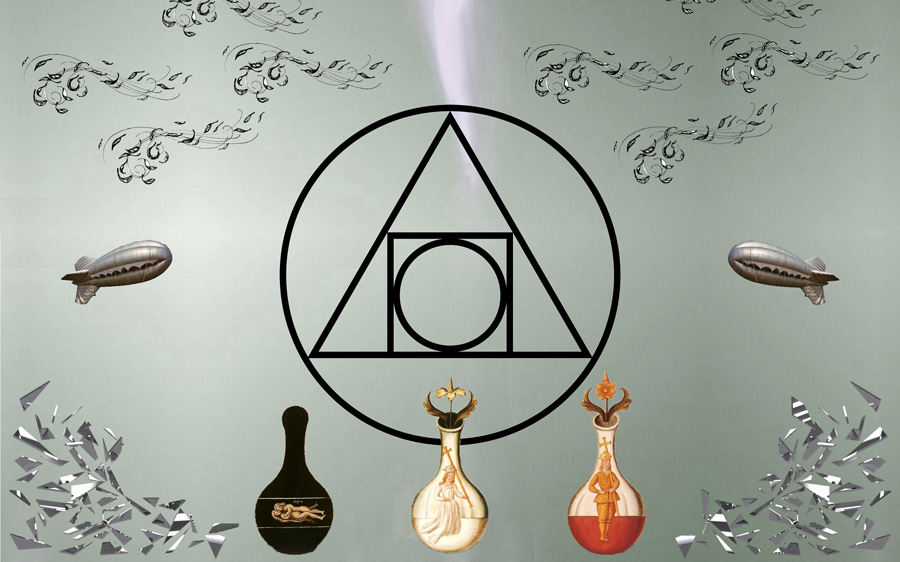
Hay momentos en la vida en que la sensación de carencia y de pérdida es abrumadora, y hay otros en que ni siquiera tenemos la oportunidad de darnos cuenta de que algo falta.
Y así, en nuestros sueños, nos encontramos perdiendo algo, o a alguien, o algún lugar, o algún tiempo: desde la billetera, un recuerdo preciado, las llaves, el teléfono, el boleto, el vuelo, hasta la mascota, el amante, la casa, el camino, la dignidad, la vida. Todos conocemos alguna versión de este tema onírico. Darnos cuenta de que hemos perdido algo o de que nos falta algo nos lanza a una aventura para buscarlo. Enfrentar la amenaza de estar a punto de perder algo nos lanza a una cruzada para intentar evitar la pérdida.
Aun cuando la consciencia de vigilia no lo permita, el tiempo onírico nos concede —de manera juguetona, burlona, frustrante, angustiante, violenta— la realidad de nuestra condición: estamos en una búsqueda de totalidad. Nos esforzamos por sentirnos lo más fieles a nuestra naturaleza, lo más auténticos, lo más cómodos con quienes somos y cómo somos, y por identificar y realizar nuestro máximo potencial. Esta búsqueda nunca termina del todo hasta que de verdad termina y la vida tal como la conocemos —con esta consciencia, en este cuerpo— ya no es sostenible. ¿Y quién puede decir que no continúa después? Pero esa no es una pregunta para este momento, aunque siempre lo sea.
Muchas veces no somos conscientes de haber perdido nada y, sin embargo, en nuestros sueños nos topamos con algo que reconocemos como un tesoro disfrazado, importante, esencial, imprescindible para nuestro ser y para nuestra realidad. Cuando no estamos buscando, encontramos algo que codiciamos o que tomamos a escondidas por impulso. Los elementos que encontramos en nuestro viaje de búsqueda onírico, lo estemos buscando intencionalmente o no, hablan de nuestro proceso y de nuestros recursos. La búsqueda del objeto, el lugar, la persona o el punto de referencia aparentemente perdidos a menudo nos revela lo que en realidad necesitamos descubrir. La pérdida y el deambular son estrategias del inconsciente que nos llevan a ejercitar y expandir un sentido de percepción más agudo. De este modo descubrimos lo que nos espera ahí y que hasta ese momento estaba oculto y era desconocido. Ahí suelen contenerse revelaciones inesperadas.
A veces la sensación de haber perdido algo es una ilusión: ese elemento que buscamos desesperadamente en realidad nunca se perdió, sino que se apartó de nuestra vista por un tiempo, inaccesible a nuestra consciencia por una buena razón. En estos casos, investigar y comprender el motivo de su ausencia temporal es parte de la labor. A veces sentimos alivio de haber perdido algo. En estos casos, observar los sentimientos, las historias y los juicios que surgen en respuesta a esa sensación de tregua es parte de la labor.
Los sueños nos ofrecen la oportunidad de experimentar, explorar y expresar ese aspecto tan reprimido de nuestra condición: nos sentimos carentes o incompletos, y nuestra vida es la búsqueda de aquello de lo que nos sentimos separados, para unirnos con ello, para integrarlo de nuevo en nosotros hacia una mayor totalidad. O bien necesitamos perder algo para alcanzar esa totalidad y, sin embargo, insistimos obstinadamente en conservarlo porque no podemos identificarnos sin ello o porque tenemos miedo del vacío que sentiríamos si lo perdiéramos. En estos casos, familiarizarnos con el malestar temporal que evoca la pérdida, y aceptarlo, es parte de la labor.
En muchos casos, la única manera en que dejaremos de recurrir a viejas tácticas, creencias, hábitos, actitudes, percepciones y demás es que se eliminen por completo de nuestra psique. Si hay alguna de estas en la vida de vigilia que de algún modo nos resistimos a perder, aun con nuestra más ferviente intención de hacerlo, ten por seguro que el inconsciente nos está ayudando a soltarla con una determinación desconcertante. En nuestros sueños nos arrebatan elementos queridos —de manera absurda, abrupta, cruel, burlona, turbulenta— y esto nos impulsa a retomar nuestra búsqueda de totalidad.
El inconsciente guarda la oscuridad de lo desconocido, aquello que con más frecuencia evitamos en la vida de vigilia. En última instancia, estamos en busca de lo que todavía no sabemos en nuestra consciencia de vigilia, pero a lo que tenemos acceso cuando logramos atravesar nuestra resistencia a lo impredecible, lo incierto, lo imprevisto. La innovación, la posibilidad y la creatividad están más allá de aquello con lo que nuestra consciencia de vigilia se siente cómoda. El tiempo onírico nos concede la oportunidad de acceder a esa fuente de sabiduría, inspiración y comprensión a través de su viaje implacable hacia lo desconocido y lo inesperado. Siempre es una buena noticia cuando, en nuestros sueños, perdemos algo, lo buscamos y encontramos algo.
There are times in life when the sense of lack and loss is overwhelming, and there are other times when we don’t even have the chance to realize something is missing.
And so we find ourselves losing something or someone or someplace or sometime in our dreams, from our wallet, our keepsake, our keys, our phone, our ticket, our flight, to our pet, our lover, our house, our way, our dignity, our life. We are all familiar with some version of this dream theme. Realizing we have lost something or are missing something sends us on an adventure to search for it. Facing the threat that we are about to lose something sends us on a crusade to attempt to avert the loss.
Even when waking consciousness will not allow it, dreamtime permits us—playfully, facetiously, frustratingly, distressingly, violently—the reality of our condition: we are on a quest for wholeness. We are striving to feel most true to our nature, most authentic, most comfortable in who we are and how we are, and to identify and fulfill our highest potential. This quest is never fully finished until it really is finished and life as we know it—with this consciousness, in this body—is no longer sustainable. And, who is to say it doesn’t continue thereafter? But that is not a question for this moment, even when it always is.
Oftentimes we are not aware we lost anything, and yet we come upon something in our dreams we recognize as a disguised treasure that is important, essential, imperative to our being and to our reality. When we are not looking, we find something we covet or secretly snatch on impulse. The elements we encounter on our dreamtime search journey, whether we are intentionally seeking or not, speak to our process and to our resources. The hunt for the apparently lost item, place, person, or point of reference often reveals to us what we actually need to discover. The loss and the wandering are strategies from the unconscious that get us to exercise and expand our shaper sense of perception. In this way we uncover what is waiting there for us that was up to that moment hidden and unknown. Unexpected revelations are regularly contained there.
Sometimes the sense of having lost something is an illusion—that element we are desperately searching for was actually never lost, but went out of sight for a while, unaccessible to our conscious awareness for good reason. In these cases, investigating and understanding the reason for its temporary absence is part of the work. Sometimes, we are relieved to have lost something. In these cases, observing the feelings, stories, judgments that arise in response to our sense of reprieve is part of the work.
Dreams offer us the opportunity to experience, explore, express that much repressed aspect of our condition: we feel lacking or incomplete, and our life is the quest to find that which we feel separate from, to come into union with it, to integrate it back into ourselves toward greater wholeness. Or, we need to lose something in order to achieve this wholeness, yet we stubbornly insist on retaining it because we cannot identify ourselves without it or we are afraid of the void we would feel if we lost it. In these cases, becoming familiar with and accepting the temporary discomfort that loss evokes is part of of the work.
In many cases, the only way we will stop reverting to old tactics, beliefs, habits, attitudes, perceptions, and so on, is to have them removed altogether from our psyche. If there is one of these in waking life we are in some way resistant to losing even with our most fervent intention to do so, rest assured the unconscious is helping us to let go of it with mystifying resolution. Cherished elements are seized from us in our dreams—absurdly, abruptly, cruelly, mockingly, turbulently—and this propels us to resume our quest for wholeness.
The unconscious holds the darkness of the unfamiliar, that which we most often avoid in waking life. Ultimately, we are on a quest for what we don’t already know in our conscious waking mind awareness, but which we have access to when we can move through our resistance to the unpredictable, the uncertain, the unforeseen. Innovation, possibility, creativity are beyond what our waking consciousness is comfortable with. Dreamtime grants us the opportunity to tap into that source of wisdom, inspiration, and insight through its relentless journey into the unknown and the unexpected. It is always good news when we lose and search for and find something in our dreams.
Otros artículos



Sigue recorriendo